
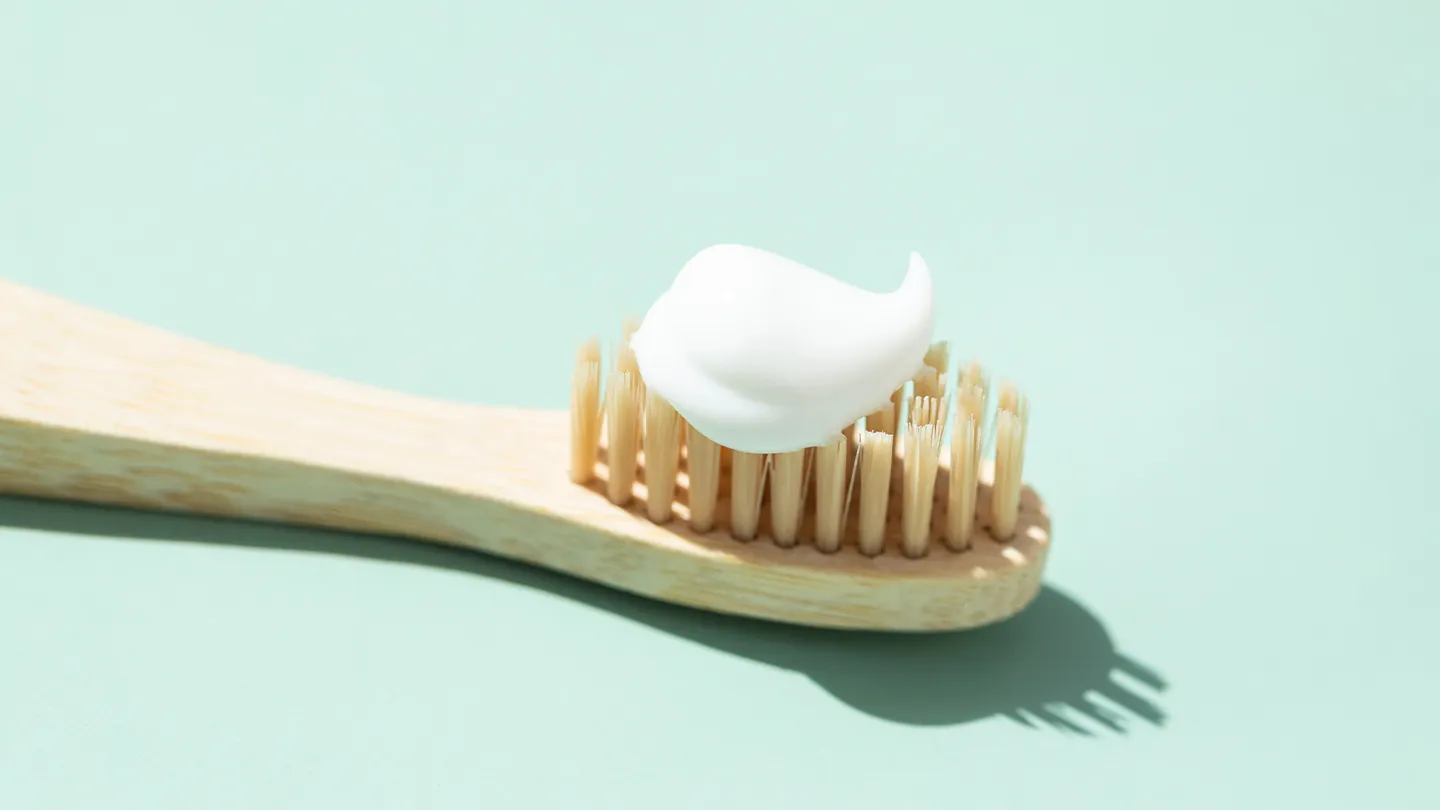
Whitening toothpaste are everywhere, promising a brighter smile. What’s the real deal? let’s break it down
The composition of these whitening toothpaste and their effects
1. Abrasives – silica, baking soda – scrub away surface stains.
These can wear off the enamel if accessively used. Look for gentle or low abrasive options. Baking soda or Sodium Bicarbonate- is a natural abrasive for removing stains. It can be harsh on enamel especially with frequent use. PH level matters- high pH can be more abrasive
2. Bleaching agents – hydrogen peroxide car amide peroxide
These lighter the teeth. Hydrogen peroxide is effective against surface stains and whitening. It can cause tooth sensitivity and gum irritation. Concentration matters – 3 – 6% is common in over the counter products
3. Chemical agents like sodium Tripolyphosphate
It helps breakdown stains and prevent new ones. Generally considered safe but some concerns about environmental impact have been found.
Do They Really Whiten
They can help with surface stains making teeth appear slightly whiter.
- Limited effectiveness on Deep stains or intrinsic discloration
- Results may very depending on product and individual teeth
- Not a substitute for professional whitening treatment.
THE RISKS Somethings to watch for
- Tooth Sensitivity – Especially with frequent use or high concentration of peroxide
- Enamel damage abrasive ingredients can wear away enamel overtime.
- Gum Irritation – peroxide can cause redness and inflammation.
Alternative
1. Professional whitening
It can give you best results. It can be in office or at home.
In office treatment
The dentist supplies bleaching agents of high concentration on to the teeth. It can brighten teeth by several shades in one visit. The results can last up to a year with proper care.
At home Bleaching
Dentist provides custom trays with bleaching gel to the patient.
This is used by them at home for some specified treatment. This is more affordable than in office treatment.
Benefits
- Professional whitening is customised treatment for your teeth
- it is more effective for deep stains and discloration
- dentist supervision ensures safety and optimal results.
2. Natural Remedies
- Baking Soda and Lemon – a paste formed from baking soda and lemon can be used to whiten the teeth but it should not be used for more than twice a week to avoid enamel damage
- Activated Charcoal – dip a wet toothbrush in charcoal powder or use a charcoal toothpaste. brush gently for 1 to 2 minutes and rinse. It should be used just 1 to 2 times a week
- Coconut Oil Pulling – swish 1 to 2 tablespoon of coconut oil in mouth for 10 to 15 minutes and later spit it out. Thiis may help reduce bacteria and stains.
- Strawberry and Salt Scrub – mash strawberry and mix with a pinch of salt. Brush gently for 1 to 2 minutes and rinse. malic acid of strawberries may help whiten teeth
Caution
Natural remedies might not be suitable for everyone, specially with sensitive teeth or gums
Over use or improper use can damage enamel. Consult dentist before trying new remedies.
3. Whitening strips and gels are popular at home options
Whitening Strips
These are the flexible strips coated with peroxide based gels. These can whiten up to 1 to 2 shades.
Whitening Gels
Peroxide based gel is applied with a brush or tray. It can be more targeted than strips but can be messier. Some gels are designed for sensitive teeth. Things to consider. Results will vary depending on product and individual teeth. Follow the instructions carefully to avoid sensitivity or gum irritation.
What whitening toothpaste cannot do :
- They cannot white from inside
- They cannot change the genetic tooth colour
- They cannot remove deep stains
- They cannot give celebrity white results
The take away Whitening toothpaste can be a helpful addition to your routine but set a realistic expectation For significant whitening.
Consult a dentist
Japjee Family Dental Clinic is dedicated to providing high-quality, compassionate dental care in a safe and comfortable environment. With a strong focus on hygiene, precision, and patient satisfaction, our team ensures that every visit is stress-free and personalized to individual needs.
At Japjee Family Dental Clinic, we believe dentistry is not just about treating teeth—it’s about building trust, educating patients, and creating confident smiles. From routine check-ups to advanced treatments, we are committed to delivering modern, reliable, and gentle dental care for the whole family.